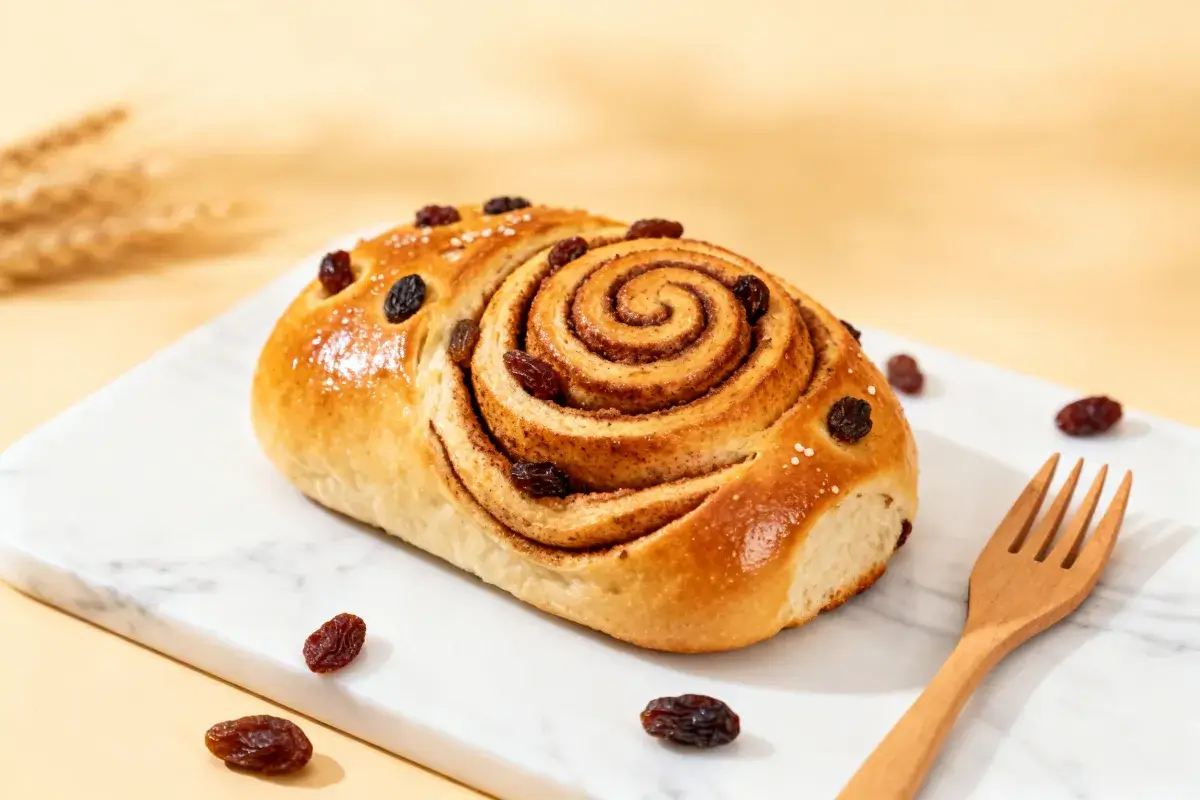
This is the sweet breakfast bread you didn’t know you needed. Imagine the pillowy chew of focaccia meeting the buttery swirl of a cinnamon roll—made richer and more flavorful with a lively sourdough starter. It’s easy to share, simple to slice, and perfect for weekend mornings.
The dough is no-fuss, the bake is straightforward, and the result tastes like a bakery treat you pulled from your own oven.
What Makes This Special
This recipe blends two favorites: the airy, olive-oil-kissed texture of focaccia and the warm spice of cinnamon rolls. Using sourdough starter adds a gentle tang and deeper flavor that commercial yeast can’t match. The sheet-pan format keeps things casual—no shaping individual rolls.
Plus, the overnight rise builds flavor and gives you flexibility, so you can bake when you’re ready.
Shopping List
- Active sourdough starter (100% hydration), 150 g
- Bread flour, 500 g (about 4 cups)
- Water, 375 g (about 1 2/3 cups), room temperature
- Fine sea salt, 10 g (about 1 3/4 tsp)
- Olive oil, 60 ml (1/4 cup), plus extra for the pan and drizzle
- Unsalted butter, 60 g (4 tbsp), melted and cooled
- Brown sugar, 120 g (1/2 cup packed)
- Granulated sugar, 50 g (1/4 cup)
- Ground cinnamon, 2–3 tbsp
- Vanilla extract, 1 tsp (optional)
- Cream cheese, 85 g (3 oz), softened (for icing)
- Powdered sugar, 120–180 g (1–1 1/2 cups), for icing
- Milk or cream, 1–3 tbsp, for icing
- Pinch of salt and lemon juice (optional, for balance)
Instructions
- Mix the dough (morning or evening): In a large bowl, whisk water and starter until cloudy. Add flour and salt. Mix with a spatula or hand until no dry spots remain.
The dough will be shaggy and sticky.
- Rest and strengthen: Drizzle in 2 tbsp olive oil and fold the dough over itself a few times. Let rest 30 minutes, then perform 2–3 rounds of stretch-and-folds every 20–30 minutes. Aim for a smoother, bouncy dough.
- Bulk ferment: Cover and let rise at room temp until puffy and expanded by 60–75%, about 3–5 hours depending on warmth.
For deepest flavor, refrigerate overnight after a shorter room-temp rise.
- Prepare the pan: Generously oil a 9×13-inch pan or a half sheet pan. Gently tip in the dough, turning once to coat in oil. If cold, let it relax 30–60 minutes.
- Make the cinnamon filling: Stir brown sugar, granulated sugar, cinnamon, melted butter, and vanilla.
The texture should be spreadable, like wet sand.
- Dimple and swirl: With oiled fingertips, press deep dimples all over the dough to spread it toward the corners. Spoon the cinnamon mixture in ribbons across the surface and swirl it in with your fingertips, pushing pockets of filling into the dimples.
- Final proof: Let the dough rise until visibly puffy and slightly jiggly, 45–90 minutes. Preheat oven to 425°F (220°C) near the end of this rise.
- Bake: Drizzle 1–2 tbsp olive oil over the top.
Bake 18–24 minutes, rotating once, until the edges are deeply golden and the center springs back. Internal temp should be about 200–205°F (93–96°C) if you check.
- Cool slightly: Let it cool 15–20 minutes in the pan so the filling sets and the crumb finishes.
- Make the icing: Beat cream cheese with powdered sugar, a pinch of salt, and 1–3 tbsp milk until smooth and spreadable. Add a few drops of lemon juice if you like it brighter.
- Finish and serve: Spread or drizzle icing over the warm focaccia.
Slice into squares and serve slightly warm.
Keeping It Fresh
Store leftovers covered at room temperature for 1–2 days. For longer storage, refrigerate up to 4 days. Warm slices in a low oven or toaster oven to bring back softness. Freeze tightly wrapped squares for up to 2 months; thaw at room temp, then reheat gently.
Why This is Good for You
Sourdough fermentation can improve digestibility and may help your body absorb minerals better.
The olive oil offers heart-friendly fats, and you control the sweetness by adjusting the filling and icing. Portionable squares make it easier to serve and share, so a little goes a long way.
Common Mistakes to Avoid
- Under-proofing: If the dough isn’t puffy and airy before baking, it can bake up dense. Look for visible jiggle and bubbles.
- Overloading with filling: Too much sugar-butter mix can pool and burn.
Stick to the amounts listed.
- Skipping the oil: The olive oil prevents sticking and gives that classic focaccia edge. Be generous with the pan.
- Baking too cool: A hot oven sets the structure and caramelizes the top. Preheat fully.
- Cutting too soon: Let it rest so the crumb sets and the filling doesn’t ooze out.
Alternatives
- No cream cheese icing: Use a simple glaze of powdered sugar, milk, and a pinch of salt.
- Less sweet: Halve the brown sugar and skip the granulated sugar.
- Add-ins: Raisins, chopped pecans, or orange zest in the filling bring extra character.
- Dairy-free: Use vegan butter and a coconut milk glaze.
- All-purpose flour: Works fine.
Hydration may vary—hold back a splash of water and add as needed.
FAQ
Can I use instant yeast instead of sourdough starter?
Yes. Use 2 tsp instant yeast, increase water by about 30 g, and skip the long cold rise. The flavor won’t be as complex, but it will still be delicious.
How active should my starter be?
Use it at peak or just past peak—bubbly, airy, and able to float in water.
A sluggish starter leads to longer fermentation and tighter crumb.
Can I make this the night before and bake in the morning?
Absolutely. Let it bulk rise partly, refrigerate overnight, then pan, proof, and bake in the morning.
What pan size works best?
A 9×13-inch pan gives thicker, plush squares. A half sheet pan yields a thinner, crisper edge.
Adjust bake time slightly.
How do I prevent a soggy bottom?
Preheat thoroughly, don’t overload filling, and bake on a lower-middle rack. You can also set the pan on a preheated steel or heavy sheet for extra bottom heat.
Wrapping Up
Cinnamon roll focaccia sourdough gives you bakery comfort with minimal fuss. It’s soft, swirled, and just sweet enough, with that signature sourdough depth.
Keep the steps simple, trust the rise, and enjoy warm slices with coffee or tea. This one’s a keeper for weekend brunch and cozy gatherings.
Leave a Reply