Author: Elise Bauer

  • Whales: Giants of the Ocean

    Whales: Giants of the Ocean

    Whales are among the largest and most remarkable animals on Earth. These marine mammals live in oceans around the world, from warm tropical waters to the cold seas surrounding the poles.

    Life Beneath the Surface

    Although whales spend their lives in water, they breathe air through blowholes located on top of their heads. They must regularly return to the surface to breathe before diving again in search of food or traveling through the ocean.

    Whales are warm-blooded, give birth to live young, and nurse their calves with milk. A thick layer of fat called blubber helps protect them from cold water and stores energy during long migrations.

    Two Main Groups

    Whales are generally divided into baleen whales and toothed whales. Baleen whales filter small animals from the water using flexible plates inside their mouths. This group includes blue whales, humpback whales, and gray whales.

    Toothed whales use teeth to catch fish, squid, and other prey. Many of them also use echolocation, producing sounds and listening for returning echoes to understand their surroundings. Sperm whales, belugas, and orcas belong to this group.

    The Blue Whale

    The blue whale is the largest known animal to have ever lived. An adult can grow longer than a city bus and weigh well over one hundred tonnes. Despite its enormous size, it feeds mainly on tiny crustaceans called krill.

    Communication and Migration

    Whales communicate using clicks, whistles, pulses, and complex songs. Some sounds can travel across great distances underwater. Humpback whales are especially famous for their long, patterned songs.

    Many species migrate thousands of kilometres each year. They often feed in cold, nutrient-rich waters before traveling to warmer regions where they mate and give birth.

    Protecting Whales

    Commercial hunting once caused severe declines in many whale populations. Today, whales also face threats from fishing gear, ship collisions, underwater noise, pollution, and changes to ocean ecosystems.

    Conservation programs, safer fishing practices, protected habitats, and international cooperation can help whale populations recover. Protecting whales also supports healthier oceans because these animals play an important role in marine food webs and nutrient cycles.

  • Whales: Giants of the Ocean

    Whales: Giants of the Ocean

    Whales are among the largest and most remarkable animals on Earth. These marine mammals live in oceans around the world, from warm tropical waters to the cold seas surrounding the poles.

    Life Beneath the Surface

    Although whales spend their lives in water, they breathe air through blowholes located on top of their heads. They must regularly return to the surface to breathe before diving again in search of food or traveling through the ocean.

    Whales are warm-blooded, give birth to live young, and nurse their calves with milk. A thick layer of fat called blubber helps protect them from cold water and stores energy during long migrations.

    Two Main Groups

    Whales are generally divided into baleen whales and toothed whales. Baleen whales filter small animals from the water using flexible plates inside their mouths. This group includes blue whales, humpback whales, and gray whales.

    Toothed whales use teeth to catch fish, squid, and other prey. Many of them also use echolocation, producing sounds and listening for returning echoes to understand their surroundings. Sperm whales, belugas, and orcas belong to this group.

    The Blue Whale

    The blue whale is the largest known animal to have ever lived. An adult can grow longer than a city bus and weigh well over one hundred tonnes. Despite its enormous size, it feeds mainly on tiny crustaceans called krill.

    Communication and Migration

    Whales communicate using clicks, whistles, pulses, and complex songs. Some sounds can travel across great distances underwater. Humpback whales are especially famous for their long, patterned songs.

    Many species migrate thousands of kilometres each year. They often feed in cold, nutrient-rich waters before traveling to warmer regions where they mate and give birth.

    Protecting Whales

    Commercial hunting once caused severe declines in many whale populations. Today, whales also face threats from fishing gear, ship collisions, underwater noise, pollution, and changes to ocean ecosystems.

    Conservation programs, safer fishing practices, protected habitats, and international cooperation can help whale populations recover. Protecting whales also supports healthier oceans because these animals play an important role in marine food webs and nutrient cycles.

  • Whales: Giants of the Ocean

    Whales: Giants of the Ocean

    Whales are among the largest and most remarkable animals on Earth. These marine mammals live in oceans around the world, from warm tropical waters to the cold seas surrounding the poles.

    Life Beneath the Surface

    Although whales spend their lives in water, they breathe air through blowholes located on top of their heads. They must regularly return to the surface to breathe before diving again in search of food or traveling through the ocean.

    Whales are warm-blooded, give birth to live young, and nurse their calves with milk. A thick layer of fat called blubber helps protect them from cold water and stores energy during long migrations.

    Two Main Groups

    Whales are generally divided into baleen whales and toothed whales. Baleen whales filter small animals from the water using flexible plates inside their mouths. This group includes blue whales, humpback whales, and gray whales.

    Toothed whales use teeth to catch fish, squid, and other prey. Many of them also use echolocation, producing sounds and listening for returning echoes to understand their surroundings. Sperm whales, belugas, and orcas belong to this group.

    The Blue Whale

    The blue whale is the largest known animal to have ever lived. An adult can grow longer than a city bus and weigh well over one hundred tonnes. Despite its enormous size, it feeds mainly on tiny crustaceans called krill.

    Communication and Migration

    Whales communicate using clicks, whistles, pulses, and complex songs. Some sounds can travel across great distances underwater. Humpback whales are especially famous for their long, patterned songs.

    Many species migrate thousands of kilometres each year. They often feed in cold, nutrient-rich waters before traveling to warmer regions where they mate and give birth.

    Protecting Whales

    Commercial hunting once caused severe declines in many whale populations. Today, whales also face threats from fishing gear, ship collisions, underwater noise, pollution, and changes to ocean ecosystems.

    Conservation programs, safer fishing practices, protected habitats, and international cooperation can help whale populations recover. Protecting whales also supports healthier oceans because these animals play an important role in marine food webs and nutrient cycles.

  • Whales: Giants of the Ocean

    Whales: Giants of the Ocean

    Whales are among the largest and most remarkable animals on Earth. These marine mammals live in oceans around the world, from warm tropical waters to the cold seas surrounding the poles.

    Life Beneath the Surface

    Although whales spend their lives in water, they breathe air through blowholes located on top of their heads. They must regularly return to the surface to breathe before diving again in search of food or traveling through the ocean.

    Whales are warm-blooded, give birth to live young, and nurse their calves with milk. A thick layer of fat called blubber helps protect them from cold water and stores energy during long migrations.

    Two Main Groups

    Whales are generally divided into baleen whales and toothed whales. Baleen whales filter small animals from the water using flexible plates inside their mouths. This group includes blue whales, humpback whales, and gray whales.

    Toothed whales use teeth to catch fish, squid, and other prey. Many of them also use echolocation, producing sounds and listening for returning echoes to understand their surroundings. Sperm whales, belugas, and orcas belong to this group.

    The Blue Whale

    The blue whale is the largest known animal to have ever lived. An adult can grow longer than a city bus and weigh well over one hundred tonnes. Despite its enormous size, it feeds mainly on tiny crustaceans called krill.

    Communication and Migration

    Whales communicate using clicks, whistles, pulses, and complex songs. Some sounds can travel across great distances underwater. Humpback whales are especially famous for their long, patterned songs.

    Many species migrate thousands of kilometres each year. They often feed in cold, nutrient-rich waters before traveling to warmer regions where they mate and give birth.

    Protecting Whales

    Commercial hunting once caused severe declines in many whale populations. Today, whales also face threats from fishing gear, ship collisions, underwater noise, pollution, and changes to ocean ecosystems.

    Conservation programs, safer fishing practices, protected habitats, and international cooperation can help whale populations recover. Protecting whales also supports healthier oceans because these animals play an important role in marine food webs and nutrient cycles.

  • Whales: Giants of the Ocean

    Whales: Giants of the Ocean

    Whales are among the largest and most remarkable animals on Earth. These marine mammals live in oceans around the world, from warm tropical waters to the cold seas surrounding the poles.

    Life Beneath the Surface

    Although whales spend their lives in water, they breathe air through blowholes located on top of their heads. They must regularly return to the surface to breathe before diving again in search of food or traveling through the ocean.

    Whales are warm-blooded, give birth to live young, and nurse their calves with milk. A thick layer of fat called blubber helps protect them from cold water and stores energy during long migrations.

    Two Main Groups

    Whales are generally divided into baleen whales and toothed whales. Baleen whales filter small animals from the water using flexible plates inside their mouths. This group includes blue whales, humpback whales, and gray whales.

    Toothed whales use teeth to catch fish, squid, and other prey. Many of them also use echolocation, producing sounds and listening for returning echoes to understand their surroundings. Sperm whales, belugas, and orcas belong to this group.

    The Blue Whale

    The blue whale is the largest known animal to have ever lived. An adult can grow longer than a city bus and weigh well over one hundred tonnes. Despite its enormous size, it feeds mainly on tiny crustaceans called krill.

    Communication and Migration

    Whales communicate using clicks, whistles, pulses, and complex songs. Some sounds can travel across great distances underwater. Humpback whales are especially famous for their long, patterned songs.

    Many species migrate thousands of kilometres each year. They often feed in cold, nutrient-rich waters before traveling to warmer regions where they mate and give birth.

    Protecting Whales

    Commercial hunting once caused severe declines in many whale populations. Today, whales also face threats from fishing gear, ship collisions, underwater noise, pollution, and changes to ocean ecosystems.

    Conservation programs, safer fishing practices, protected habitats, and international cooperation can help whale populations recover. Protecting whales also supports healthier oceans because these animals play an important role in marine food webs and nutrient cycles.

  • Whales: Giants of the Ocean

    Whales: Giants of the Ocean

    Whales are among the largest and most remarkable animals on Earth. These marine mammals live in oceans around the world, from warm tropical waters to the cold seas surrounding the poles.

    Life Beneath the Surface

    Although whales spend their lives in water, they breathe air through blowholes located on top of their heads. They must regularly return to the surface to breathe before diving again in search of food or traveling through the ocean.

    Whales are warm-blooded, give birth to live young, and nurse their calves with milk. A thick layer of fat called blubber helps protect them from cold water and stores energy during long migrations.

    Two Main Groups

    Whales are generally divided into baleen whales and toothed whales. Baleen whales filter small animals from the water using flexible plates inside their mouths. This group includes blue whales, humpback whales, and gray whales.

    Toothed whales use teeth to catch fish, squid, and other prey. Many of them also use echolocation, producing sounds and listening for returning echoes to understand their surroundings. Sperm whales, belugas, and orcas belong to this group.

    The Blue Whale

    The blue whale is the largest known animal to have ever lived. An adult can grow longer than a city bus and weigh well over one hundred tonnes. Despite its enormous size, it feeds mainly on tiny crustaceans called krill.

    Communication and Migration

    Whales communicate using clicks, whistles, pulses, and complex songs. Some sounds can travel across great distances underwater. Humpback whales are especially famous for their long, patterned songs.

    Many species migrate thousands of kilometres each year. They often feed in cold, nutrient-rich waters before traveling to warmer regions where they mate and give birth.

    Protecting Whales

    Commercial hunting once caused severe declines in many whale populations. Today, whales also face threats from fishing gear, ship collisions, underwater noise, pollution, and changes to ocean ecosystems.

    Conservation programs, safer fishing practices, protected habitats, and international cooperation can help whale populations recover. Protecting whales also supports healthier oceans because these animals play an important role in marine food webs and nutrient cycles.

  • Whales: Giants of the Ocean

    Whales: Giants of the Ocean

    Whales are among the largest and most remarkable animals on Earth. These marine mammals live in oceans around the world, from warm tropical waters to the cold seas surrounding the poles.

    Life Beneath the Surface

    Although whales spend their lives in water, they breathe air through blowholes located on top of their heads. They must regularly return to the surface to breathe before diving again in search of food or traveling through the ocean.

    Whales are warm-blooded, give birth to live young, and nurse their calves with milk. A thick layer of fat called blubber helps protect them from cold water and stores energy during long migrations.

    Two Main Groups

    Whales are generally divided into baleen whales and toothed whales. Baleen whales filter small animals from the water using flexible plates inside their mouths. This group includes blue whales, humpback whales, and gray whales.

    Toothed whales use teeth to catch fish, squid, and other prey. Many of them also use echolocation, producing sounds and listening for returning echoes to understand their surroundings. Sperm whales, belugas, and orcas belong to this group.

    The Blue Whale

    The blue whale is the largest known animal to have ever lived. An adult can grow longer than a city bus and weigh well over one hundred tonnes. Despite its enormous size, it feeds mainly on tiny crustaceans called krill.

    Communication and Migration

    Whales communicate using clicks, whistles, pulses, and complex songs. Some sounds can travel across great distances underwater. Humpback whales are especially famous for their long, patterned songs.

    Many species migrate thousands of kilometres each year. They often feed in cold, nutrient-rich waters before traveling to warmer regions where they mate and give birth.

    Protecting Whales

    Commercial hunting once caused severe declines in many whale populations. Today, whales also face threats from fishing gear, ship collisions, underwater noise, pollution, and changes to ocean ecosystems.

    Conservation programs, safer fishing practices, protected habitats, and international cooperation can help whale populations recover. Protecting whales also supports healthier oceans because these animals play an important role in marine food webs and nutrient cycles.

  • Chocolate Bundt Cake With Cake Mix Boxes – Easy, Moist, and Crowd-Pleasing

    Chocolate Bundt Cake With Cake Mix Boxes – Easy, Moist, and Crowd-Pleasing

    This cake is for the days you want something rich and chocolatey without spending all afternoon in the kitchen. Using cake mix boxes keeps things simple, while a few smart add-ins make it taste like it came from a bakery. The result is a Bundt cake that’s deeply chocolatey, super moist, and great for birthdays, potlucks, or weeknight dessert.

    You’ll mix, pour, bake, and feel like a hero when you slice it.

    Why This Recipe Works

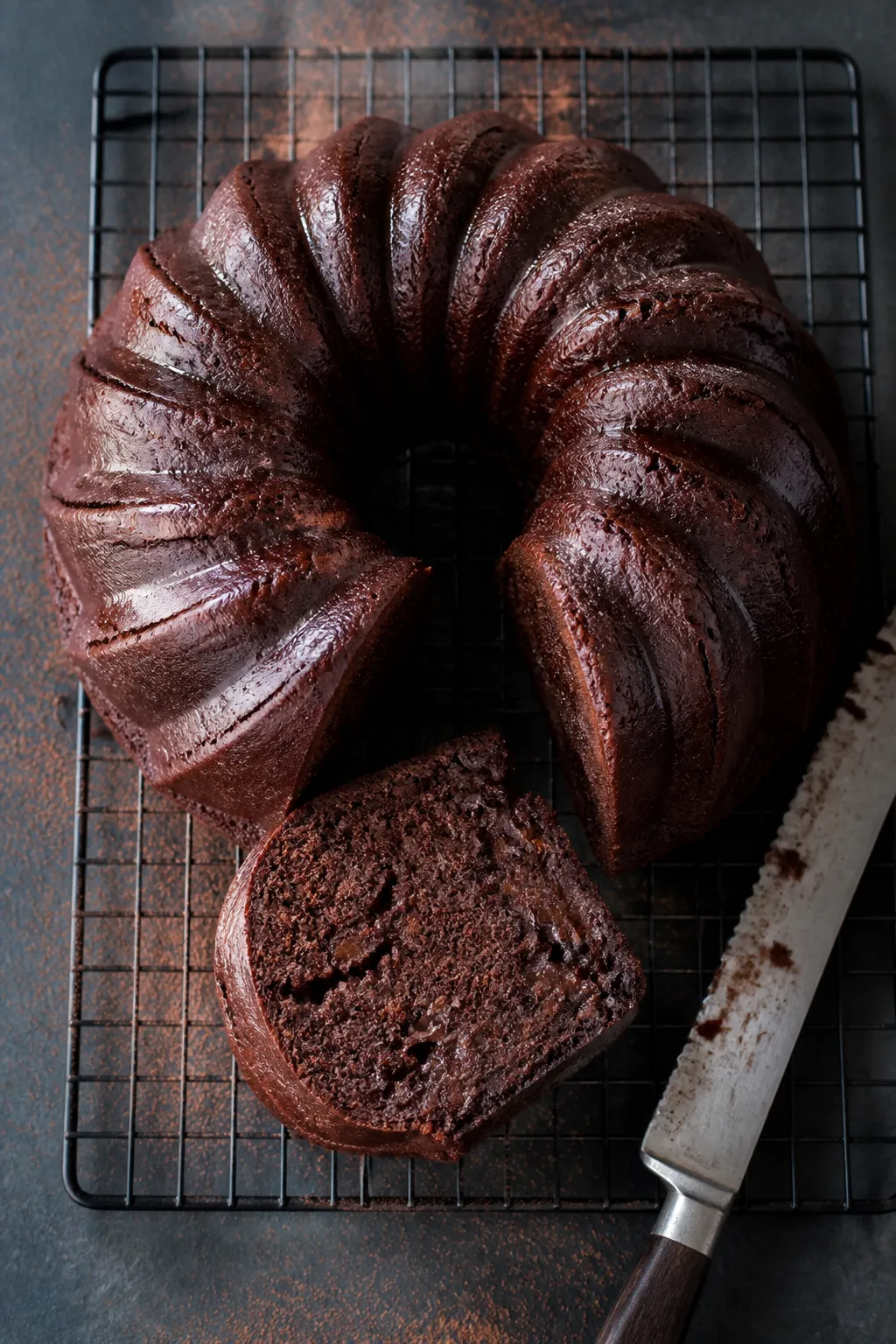
    Overhead shot of a freshly baked chocolate Bundt cake just turned out onto a wire rack, no pan in si

    This recipe pairs the reliability of boxed cake mix with a few upgrades for flavor and texture. Sour cream adds moisture and richness, and instant pudding mix boosts the dense, velvety crumb Bundt cakes are known for. Using oil instead of butter keeps the cake tender for days. A handful of chocolate chips melts into little pockets of fudge throughout.

    It’s the kind of shortcut baking that tastes like you didn’t cut any corners.

    Shopping List

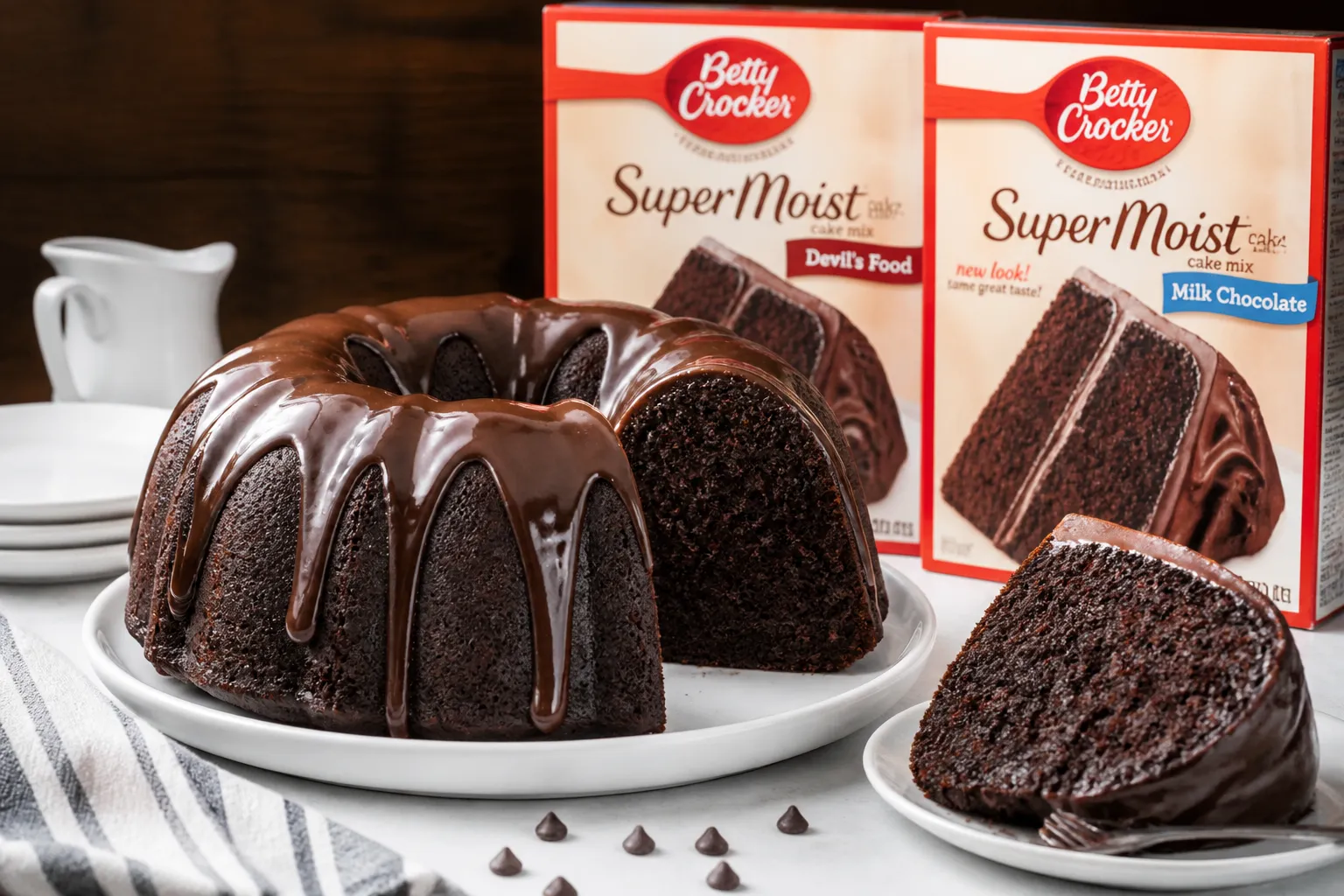
    • 1 box chocolate cake mix (15.25 oz)
    • 1 box instant chocolate pudding mix (3.4 oz)
    • 4 large eggs
    • 1 cup sour cream (full-fat preferred)
    • 1/2 cup vegetable oil (or canola oil)
    • 1/2 cup milk (or water, but milk adds richness)
    • 1 teaspoon vanilla extract
    • 1 cup semisweet chocolate chips
    • Nonstick baking spray (with flour) or butter and cocoa powder for the pan
    • Optional glaze: 1 cup powdered sugar, 2–3 tablespoons milk, 1 tablespoon cocoa powder, pinch of salt

    Instructions
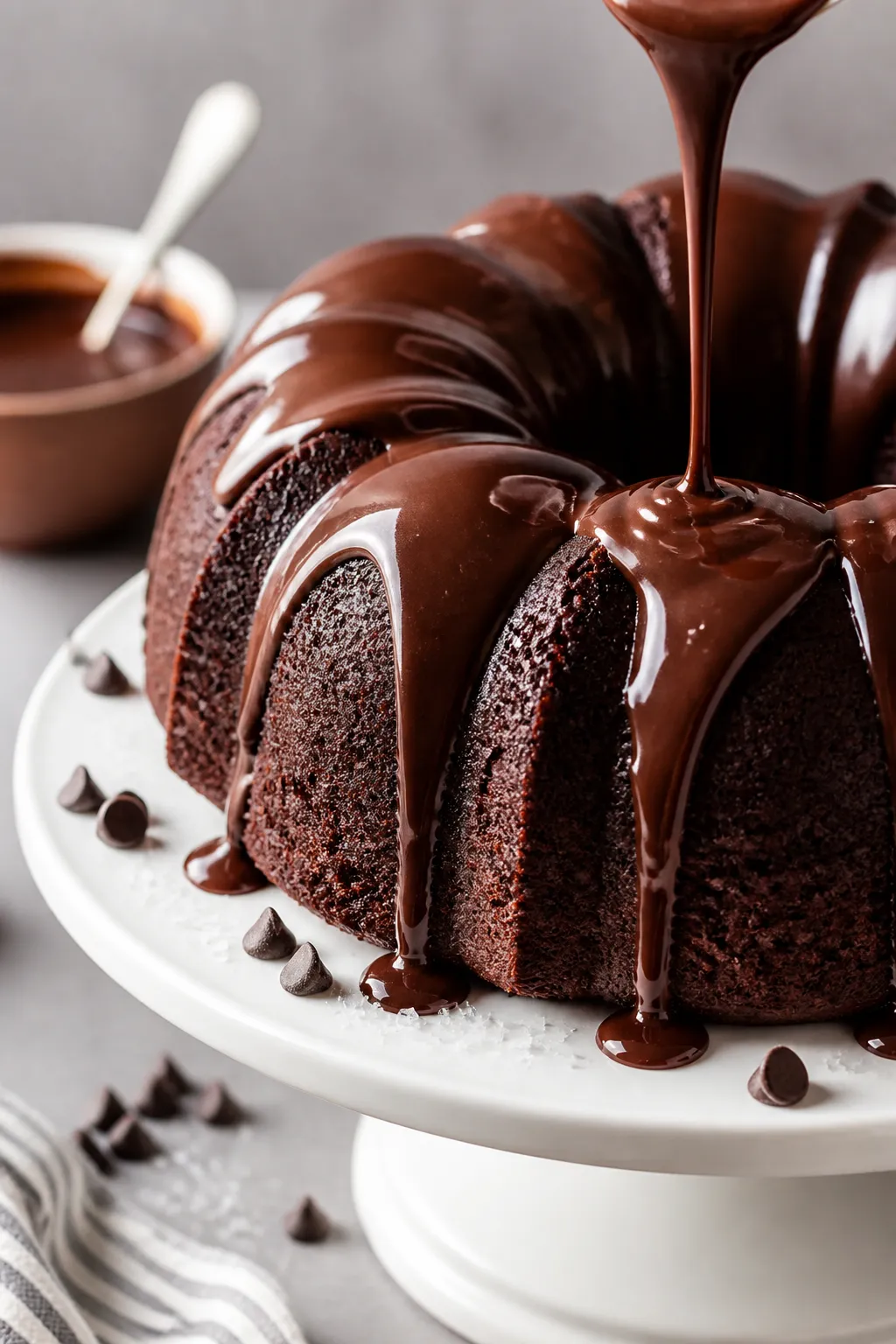
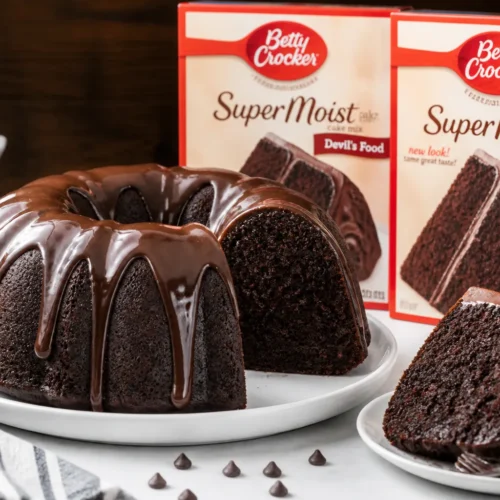
    Close-up, three-quarter angle of the cooled Bundt being finished with the optional chocolate glaze:
    1. Prep the pan and oven: Preheat oven to 350°F (175°C). Generously coat a 10–12 cup Bundt pan with baking spray, or butter it well and dust with cocoa powder.
    2. Mix the batter: In a large bowl, whisk cake mix and pudding mix to break up lumps. Add eggs, sour cream, oil, milk, and vanilla.

      Beat on medium speed for 2 minutes until smooth and thick.

    3. Fold in chips: Stir in chocolate chips with a spatula so they’re evenly distributed.
    4. Fill the pan: Pour batter into the prepared Bundt pan and smooth the top. Tap the pan gently on the counter to pop any air bubbles.
    5. Bake: Bake 40–50 minutes, until a toothpick inserted near the center comes out with a few moist crumbs. If the top is browning too fast, tent loosely with foil for the last 10 minutes.
    6. Cool properly: Let the cake cool in the pan for 10–15 minutes.

      Turn out onto a wire rack and cool completely before glazing or slicing.

    7. Glaze (optional): Whisk powdered sugar, cocoa, milk, and a pinch of salt until smooth and pourable. Drizzle over the cooled cake.
    8. Serve: Slice with a serrated knife for clean cuts. Enjoy at room temperature or slightly warmed.
    Keeping It Fresh

    Store the cake covered at room temperature for up to 3 days.

    For longer storage, wrap slices tightly and refrigerate for up to 5 days. You can also freeze well-wrapped slices for up to 2 months; thaw at room temperature. To revive that fresh-baked feel, warm a slice in the microwave for 10–15 seconds.

    Health Benefits

    It’s dessert, so think balance.

    That said, portioning reasonable slices lets you enjoy a satisfying treat without going overboard. Using milk instead of water adds a bit of protein and calcium. Darker chocolate chips can bring a touch more cocoa antioxidants.

    Pair with berries for fiber and freshness.

    What Not to Do

    • Don’t skip greasing the pan well. Bundt pans have ridges that love to grab cake.
    • Don’t overbake. Pull it when there are moist crumbs on the tester, not a dry stick.
    • Don’t frost while warm. Glaze will slide off and pool.
    • Don’t overmix after adding chips. It can sink the mix-ins and toughen the crumb.
    • Don’t rush the release. Let it sit 10–15 minutes before unmolding to prevent breakage.

    Recipe Variations

    • Mocha Bundt: Swap milk for 1/2 cup strong brewed coffee cooled to room temp. Add 1 teaspoon espresso powder.
    • Triple Chocolate: Use dark chocolate cake mix and add a mix of milk, semisweet, and white chocolate chips.
    • Peanut Butter Swirl: Warm 1/3 cup creamy peanut butter and swirl into the batter before baking.
    • Mint Chocolate: Add 1/2 teaspoon peppermint extract and use dark chocolate chips.
    • Salted Caramel: Drizzle store-bought caramel over the cooled cake and finish with flaky sea salt.
    • Gluten-Friendly: Use a certified gluten-free chocolate cake mix and confirm your pudding mix is gluten-free.

    FAQ

    Can I skip the pudding mix?

    You can, but the texture will be lighter and less fudgy. The pudding mix helps create that dense, moist Bundt crumb.

    If skipping, consider adding an extra tablespoon of cocoa and a tablespoon of cornstarch.

    Why did my cake stick to the Bundt pan?

    Most likely, the pan wasn’t thoroughly greased or dusted. Use a baking spray with flour or butter plus cocoa powder, and make sure to get into every ridge. Let the cake rest 10–15 minutes before inverting.

    How do I keep chocolate chips from sinking?

    Toss the chips with a teaspoon of the dry cake mix before folding them in, and avoid overmixing.

    A thicker batter (thanks to sour cream and pudding) also helps suspend them.

    Can I make this ahead?

    Yes. Bake the day before, cool completely, and wrap tightly. Glaze just before serving.

    The flavor actually deepens overnight.

    What size Bundt pan should I use?

    A 10–12 cup Bundt pan works best. If your pan is smaller, fill it two-thirds full and bake remaining batter as cupcakes.

    Final Thoughts

    This chocolate Bundt cake proves that boxed mixes can turn out bakery-worthy results with a few smart tweaks. It’s simple to make, easy to customize, and reliably delicious.

    Keep the ingredients on hand, and you’ll always be 60 minutes away from a rich, impressive dessert. Happy baking—and enjoy every chocolatey slice.

    Chocolate Bundt Cake With Cake Mix Boxes – Easy, Moist, and Crowd-Pleasing

    Prep Time 15 minutes
    Cook Time 45 minutes
    Total Time 1 hour
    Servings 12 servings

    Ingredients
      

    • 1 box chocolate cake mix (15.25 oz)
    • 1 box instant chocolate pudding mix (3.4 oz)
    • 4 large eggs
    • 1 cup sour cream (full-fat preferred)
    • 1/2 cup vegetable oil (or canola oil)
    • 1/2 cup milk (or water, but milk adds richness)
    • 1 teaspoon vanilla extract
    • 1 cup semisweet chocolate chips
    • Nonstick baking spray (with flour) or butter and cocoa powder for the pan
    • Optional glaze: 1 cup powdered sugar, 2–3 tablespoons milk, 1 tablespoon cocoa powder, pinch of salt

    Instructions
     

    • Prep the pan and oven: Preheat oven to 350°F (175°C). Generously coat a 10–12 cup Bundt pan with baking spray, or butter it well and dust with cocoa powder.
    • Mix the batter: In a large bowl, whisk cake mix and pudding mix to break up lumps. Add eggs, sour cream, oil, milk, and vanilla. Beat on medium speed for 2 minutes until smooth and thick.
    • Fold in chips: Stir in chocolate chips with a spatula so they’re evenly distributed.
    • Fill the pan: Pour batter into the prepared Bundt pan and smooth the top. Tap the pan gently on the counter to pop any air bubbles.
    • Bake: Bake 40–50 minutes, until a toothpick inserted near the center comes out with a few moist crumbs. If the top is browning too fast, tent loosely with foil for the last 10 minutes.
    • Cool properly: Let the cake cool in the pan for 10–15 minutes. Turn out onto a wire rack and cool completely before glazing or slicing.
    • Glaze (optional): Whisk powdered sugar, cocoa, milk, and a pinch of salt until smooth and pourable. Drizzle over the cooled cake.
    • Serve: Slice with a serrated knife for clean cuts. Enjoy at room temperature or slightly warmed.
  • Lavender Honey Cupcakes Recipe – Soft, Moist & Easy to Make

    Lavender Honey Cupcakes Recipe – Soft, Moist & Easy to Make

    Lavender and honey make a beautiful pair—floral, gently sweet, and soothing. These cupcakes are soft, moist, and simple enough for a weekday bake, yet special enough for a celebration. You’ll get a tender crumb, a hint of vanilla, and a whisper of lavender that doesn’t overwhelm.

    The honey keeps them moist and adds a natural sweetness you can taste in every bite. If you’re new to baking with lavender, this recipe is a friendly place to start.

    What Makes This Special

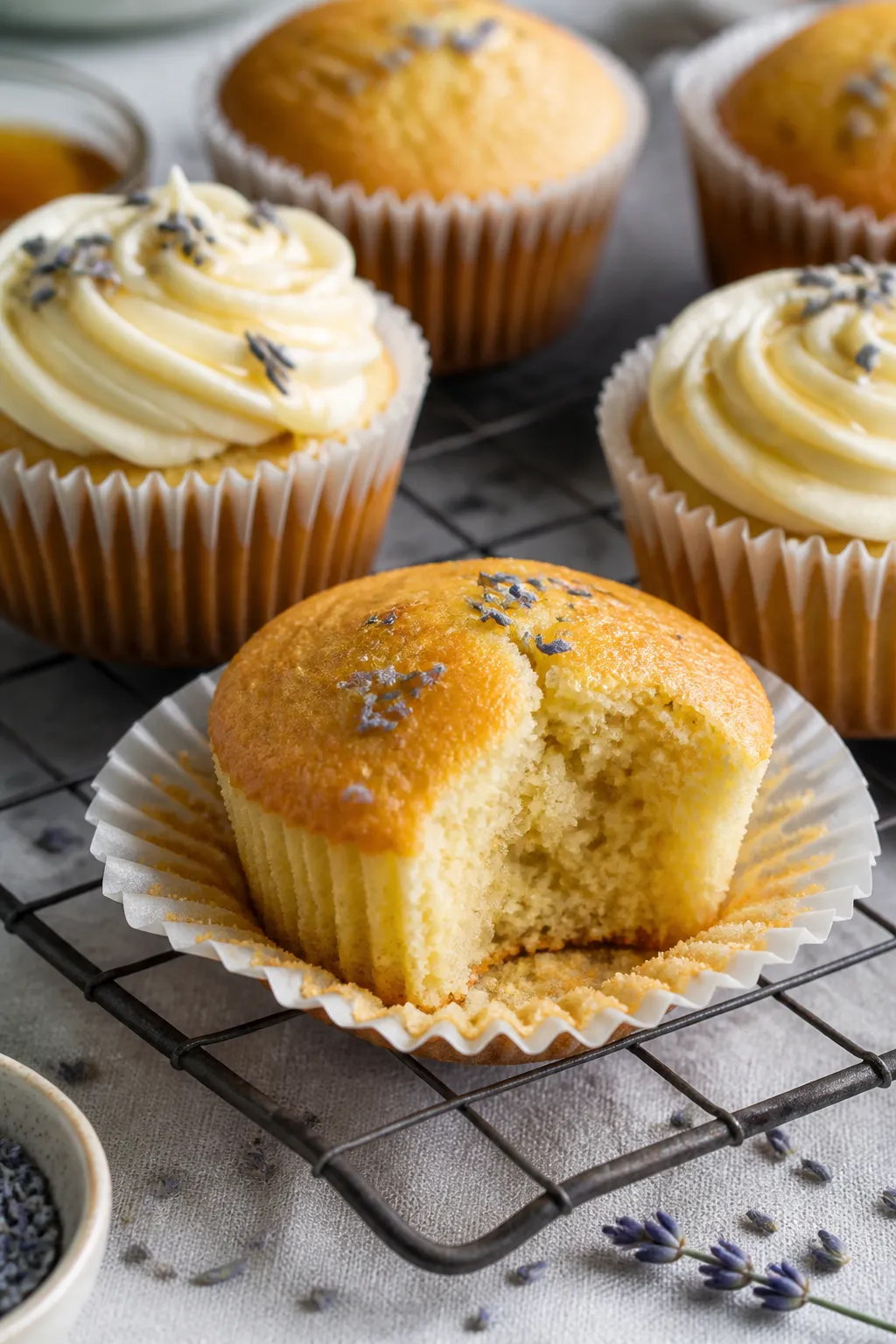
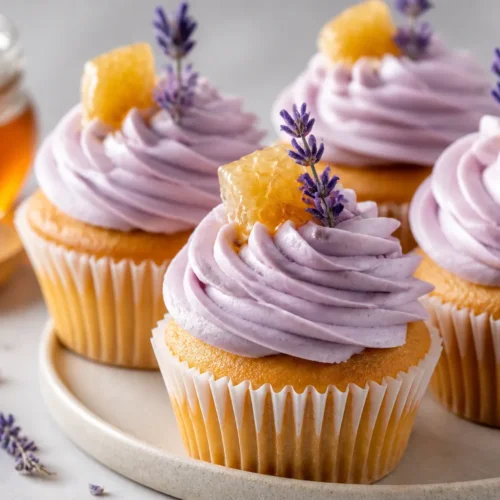
    Close-up detail of freshly baked lavender honey cupcakes cooling on a wire rack, golden domed tops w
    • Balanced flavor: Light floral notes from lavender, rounded by warm honey and vanilla.
    • Moist texture: Honey and buttermilk keep the cupcakes soft for days.
    • Beginner-friendly: Straightforward steps with simple tools.
    • Not too sweet: A gentle honey buttercream complements rather than overpowers.
    • Customizable: Easy swaps for dairy-free or gluten-free options.

    Shopping List

    • For the cupcakes:
      • 1 1/2 cups all-purpose flour
      • 1 1/2 tsp baking powder
      • 1/4 tsp fine salt
      • 1/2 cup unsalted butter, softened
      • 1/2 cup granulated sugar
      • 1/3 cup honey (mild, such as clover or wildflower)
      • 2 large eggs, room temperature
      • 1 tsp pure vanilla extract
      • 1/2 cup buttermilk, room temperature
      • 1–1 1/2 tsp dried culinary lavender buds, finely crushed
      • Optional: zest of 1 small lemon
    • For the honey buttercream:
      • 1/2 cup unsalted butter, softened
      • 1 3/4–2 cups powdered sugar, sifted
      • 2–3 tbsp honey
      • 1–2 tbsp heavy cream or milk
      • Pinch of salt
      • 1/2 tsp vanilla extract
    • Garnish (optional): Extra lavender buds or a drizzle of honey

    Step-by-Step Instructions

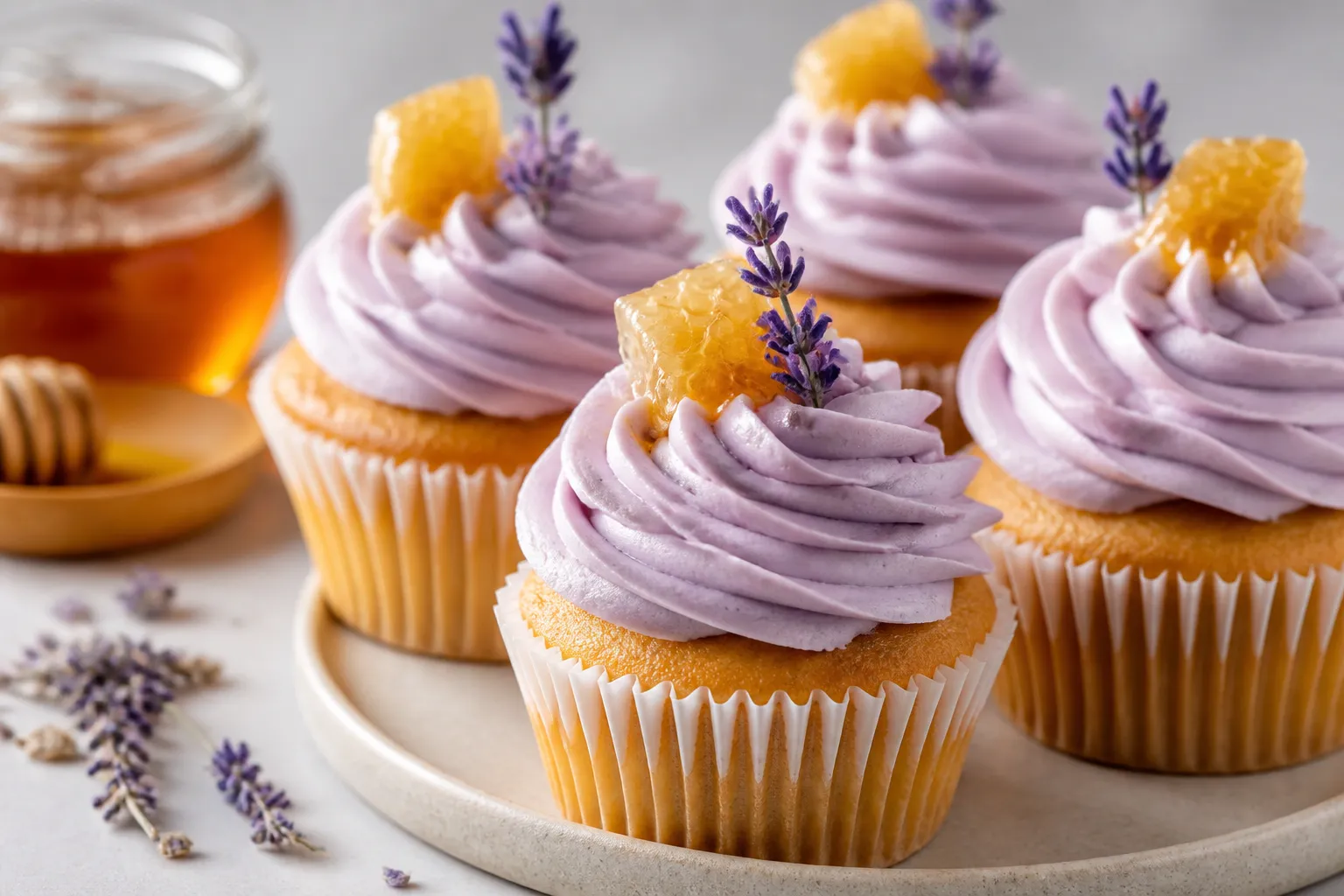
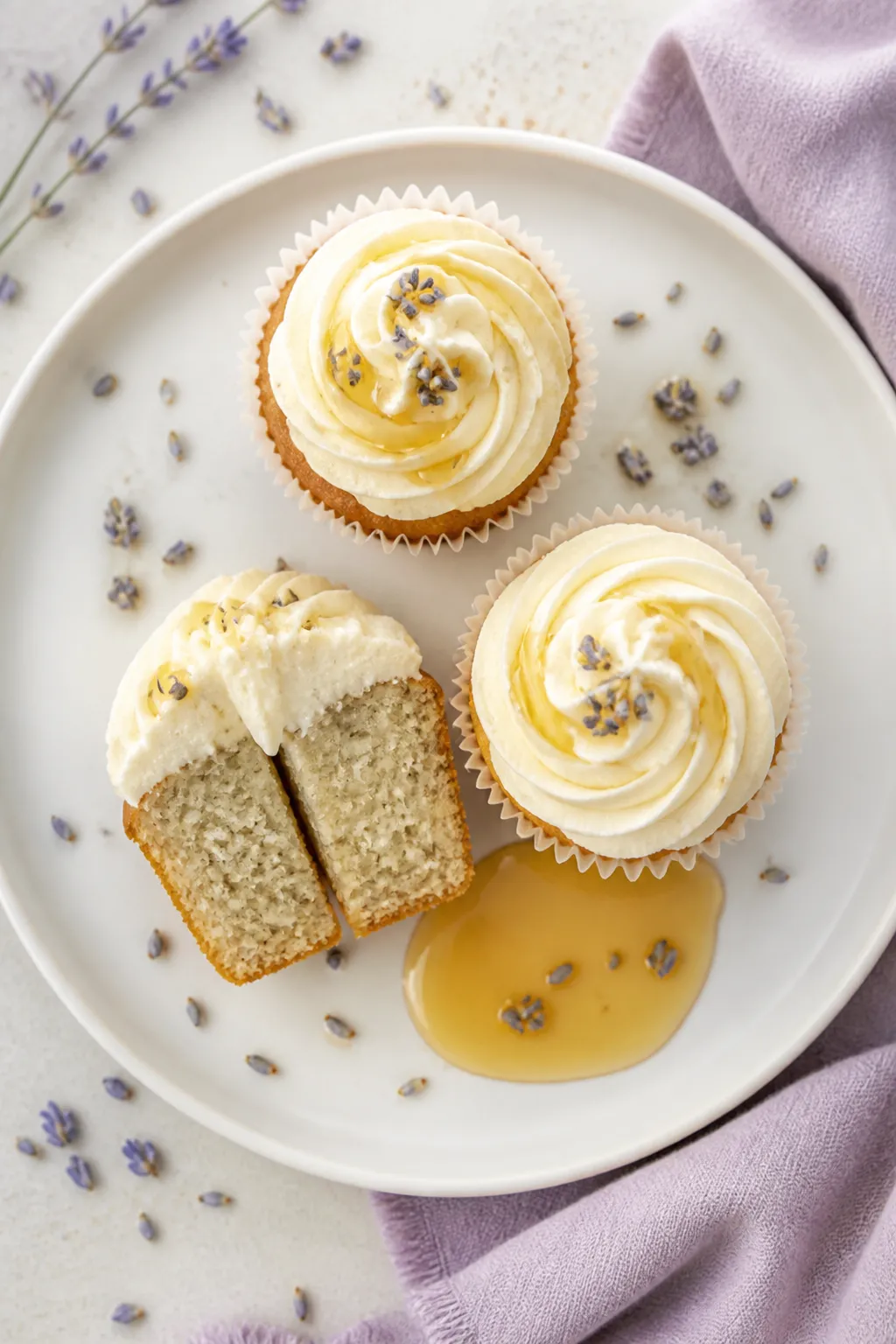
    Overhead final presentation of a trio of lavender honey cupcakes on a matte white dessert plate, eac
    1. Prep the oven and pan: Heat oven to 350°F (175°C). Line a 12-cup muffin pan with paper liners.
    2. Crush the lavender: Using a mortar and pestle or the back of a spoon, crush the dried lavender until fine.

      This releases flavor and avoids chewy bits.

    3. Whisk dry ingredients: In a bowl, whisk flour, baking powder, salt, and crushed lavender.
    4. Cream butter and sugars: In a large bowl, beat butter, granulated sugar, and honey on medium-high until pale and fluffy, about 2–3 minutes.
    5. Add eggs and vanilla: Beat in eggs one at a time, then vanilla (and lemon zest if using), scraping the bowl as needed.
    6. Combine with buttermilk: On low speed, add half the dry mix, then buttermilk, then the remaining dry mix. Mix just until combined. Do not overmix.
    7. Fill and bake: Divide batter evenly among liners (about 2/3 full).

      Bake 16–20 minutes, until tops spring back and a toothpick comes out clean.

    8. Cool completely: Let cupcakes cool in the pan 5 minutes, then transfer to a rack to cool fully.
    9. Make the frosting: Beat butter until creamy. Add powdered sugar in two additions with honey, vanilla, and a pinch of salt. Thin with cream or milk to your desired texture.

      Taste and adjust honey or salt.

    10. Frost and garnish: Swirl frosting onto cooled cupcakes. Finish with a tiny pinch of lavender or a light honey drizzle.

    Storage Instructions

    • Room temperature: Store frosted cupcakes in an airtight container for up to 2 days.
    • Refrigerator: Keep up to 5 days; bring to room temp before serving for best texture.
    • Freezer: Freeze unfrosted cupcakes up to 2 months. Thaw at room temp, then frost.

    Health Benefits

    • Honey offers antioxidants: It provides natural sweetness and flavor, so you can often use less refined sugar.
    • Lavender is soothing: Its aroma may promote relaxation and a calm mood.
    • Portion-friendly: Cupcakes help with built-in portion control compared to slicing a large cake.

    Pitfalls to Watch Out For

    • Too much lavender: Overdoing it can turn soapy.

      Stick to the measured amount and crush it well.

    • Overmixing: This can make cupcakes dense. Mix just until the flour disappears.
    • Dry cupcakes: Overbaking dries them out. Start checking at 16 minutes.
    • Runny frosting: Add more powdered sugar or chill briefly to firm it up.

    Recipe Variations

    • Lemon-Lavender: Add 1–2 tsp fresh lemon zest to the batter and 1 tsp zest to the frosting.
    • Dairy-Free: Use plant-based butter and non-dairy milk with 1 tsp vinegar in place of buttermilk.
    • Gluten-Free: Swap in a 1:1 gluten-free baking flour with xanthan gum.
    • Lavender Syrup Soak: Brush warm cupcakes with a quick syrup (equal parts water and honey, a pinch of lavender, simmered and strained) for extra moisture.
    • Whipped Honey Mascarpone: Top cooled cupcakes with a lightly sweetened mascarpone whip instead of buttercream.

    FAQ

    How strong should the lavender flavor be?

    Aim for subtle.

    You should taste a gentle floral note, not perfume. Start with 1 teaspoon crushed buds and increase slightly if desired.

    Can I use fresh lavender?

    Yes, but make sure it’s culinary lavender and use about double the amount since fresh is less concentrated. Finely chop and avoid woody stems.

    What kind of honey works best?

    Mild, light honeys like clover, acacia, or wildflower let the lavender shine.

    Strong varieties like buckwheat can overpower the cupcakes.

    Do I need buttermilk?

    It helps with tenderness and flavor. If you don’t have it, mix 1/2 cup milk with 1 1/2 teaspoons lemon juice or vinegar, rest 5 minutes, then use.

    How do I keep the cupcakes moist?

    Don’t overbake, measure flour accurately, and store airtight. A quick honey syrup brush also locks in moisture.

    Can I make them ahead?

    Yes.

    Bake the cupcakes a day ahead and store airtight. Frost close to serving, or refrigerate frosted cupcakes and bring to room temp before eating.

    In Conclusion

    These lavender honey cupcakes are soft, fragrant, and easy to make. The flavors stay delicate, the crumb stays moist, and the process is beginner-friendly.

    Whether for afternoon tea or a special treat, this recipe delivers a calm, elegant sweetness without fuss. Enjoy every gentle, floral bite.

    Lavender Honey Cupcakes Recipe – Soft, Moist & Easy to Make

    Prep Time 15 minutes
    Cook Time 20 minutes
    Total Time 35 minutes
    Servings 12 servings

    Ingredients
      

    • For the cupcakes:
    • 1 1/2 cups all-purpose flour
    • 1 1/2 tsp baking powder
    • 1/4 tsp fine salt
    • 1/2 cup unsalted butter, softened
    • 1/2 cup granulated sugar
    • 1/3 cup honey (mild, such as clover or wildflower)
    • 2 large eggs, room temperature
    • 1 tsp pure vanilla extract
    • 1/2 cup buttermilk, room temperature
    • 1–1 1/2 tsp dried culinary lavender buds, finely crushed
    • Optional: zest of 1 small lemon
    • For the honey buttercream:
    • 1/2 cup unsalted butter, softened
    • 1 3/4–2 cups powdered sugar, sifted
    • 2–3 tbsp honey
    • 1–2 tbsp heavy cream or milk
    • Pinch of salt
    • 1/2 tsp vanilla extract
    • Garnish (optional): Extra lavender buds or a drizzle of honey

    Instructions
     

    • Prep the oven and pan: Heat oven to 350°F (175°C). Line a 12-cup muffin pan with paper liners.
    • Crush the lavender: Using a mortar and pestle or the back of a spoon, crush the dried lavender until fine. This releases flavor and avoids chewy bits.
    • Whisk dry ingredients: In a bowl, whisk flour, baking powder, salt, and crushed lavender.
    • Cream butter and sugars: In a large bowl, beat butter, granulated sugar, and honey on medium-high until pale and fluffy, about 2–3 minutes.
    • Add eggs and vanilla: Beat in eggs one at a time, then vanilla (and lemon zest if using), scraping the bowl as needed.
    • Combine with buttermilk: On low speed, add half the dry mix, then buttermilk, then the remaining dry mix. Mix just until combined. Do not overmix.
    • Fill and bake: Divide batter evenly among liners (about 2/3 full). Bake 16–20 minutes, until tops spring back and a toothpick comes out clean.
    • Cool completely: Let cupcakes cool in the pan 5 minutes, then transfer to a rack to cool fully.
    • Make the frosting: Beat butter until creamy. Add powdered sugar in two additions with honey, vanilla, and a pinch of salt. Thin with cream or milk to your desired texture. Taste and adjust honey or salt.
    • Frost and garnish: Swirl frosting onto cooled cupcakes. Finish with a tiny pinch of lavender or a light honey drizzle.
  • Strawberry Crunch Cupcakes – Soft, Fruity, and Crunch-Topped

    Strawberry Crunch Cupcakes – Soft, Fruity, and Crunch-Topped

    These strawberry crunch cupcakes bring together tender vanilla cake, a bright strawberry center, and that nostalgic crunchy topping you know from ice cream bars. They’re fun to make, even more fun to eat, and look impressive without a lot of fuss. The texture combo—soft crumb, creamy frosting, and crisp crumble—makes every bite memorable.

    Perfect for birthdays, potlucks, or a weekend bake that feels special. If you love strawberries, this one checks all the boxes.

    Why This Recipe Works

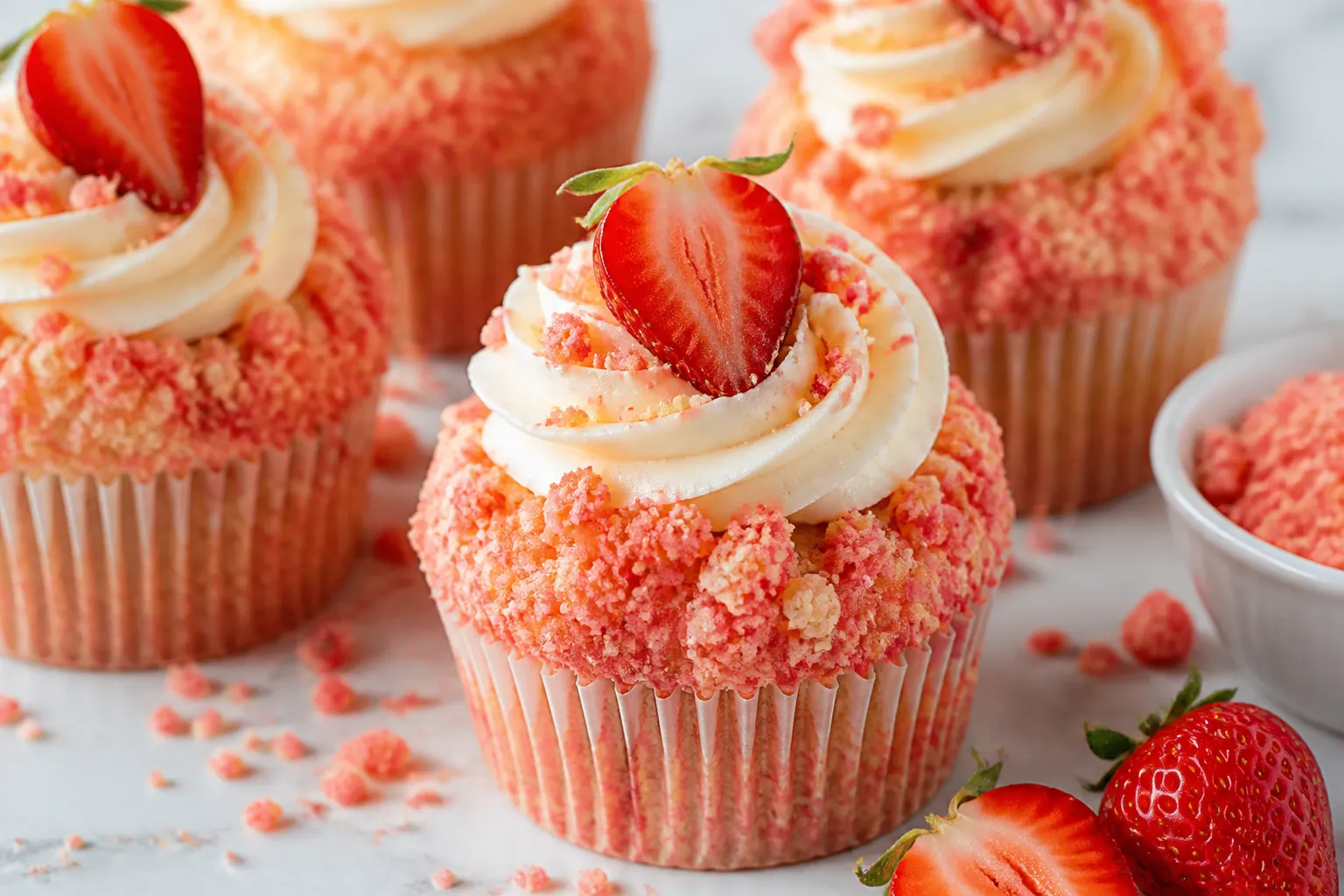
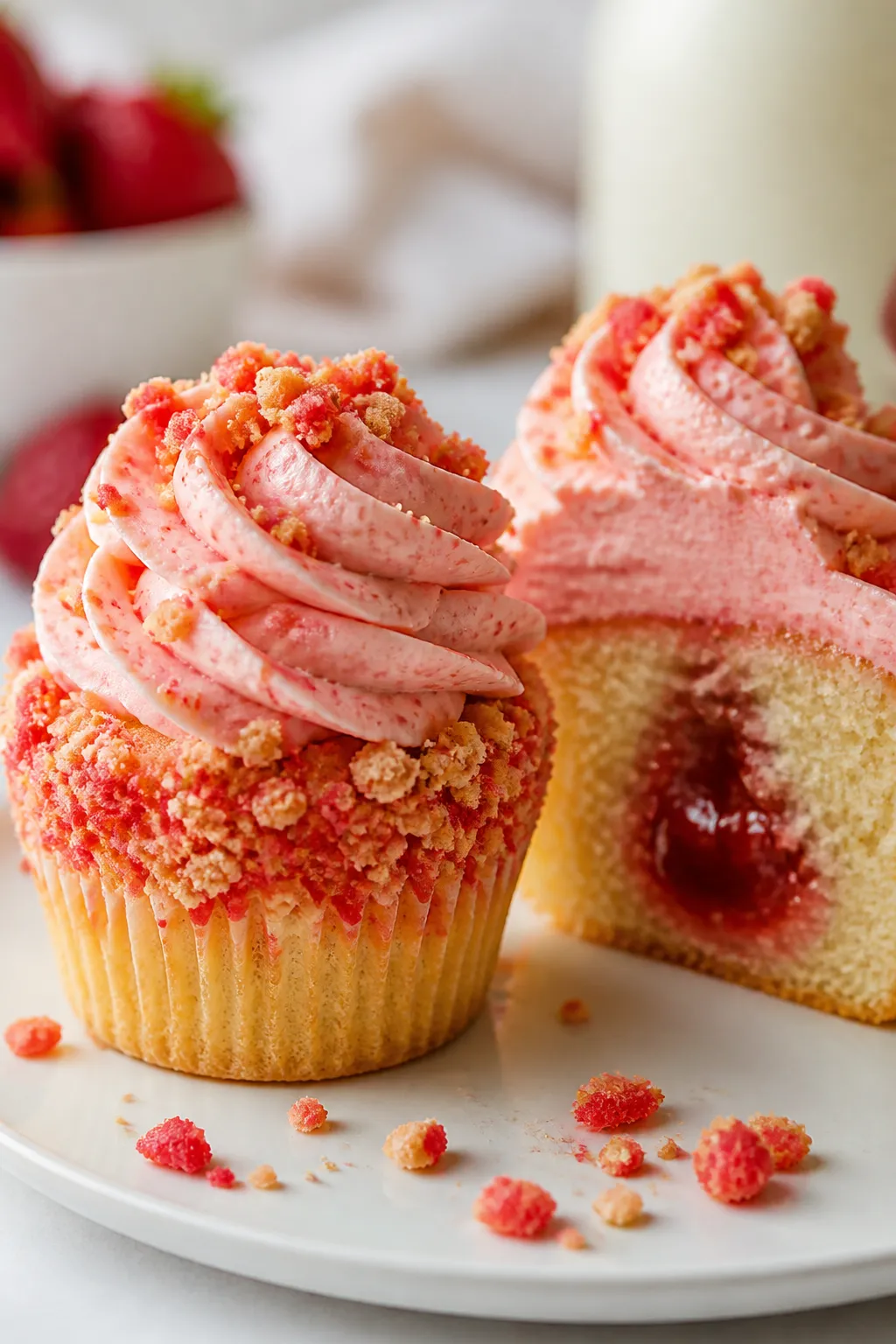
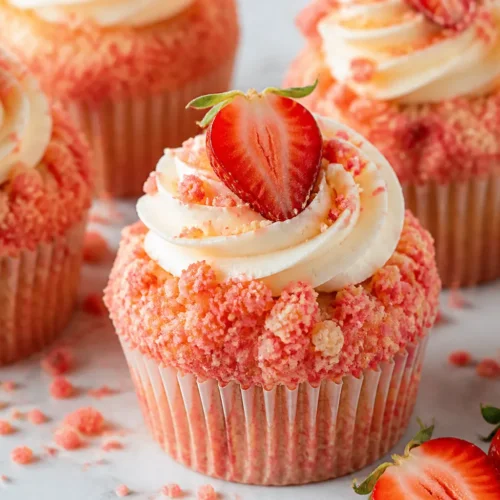
    Close-up detail: A fully assembled strawberry crunch cupcake with a generous pink strawberry butterc

    Balanced texture: Moist cupcakes meet a buttery crunch topping, so they never feel one-note.

    Real strawberry flavor: Freeze-dried strawberries keep the flavor strong without watering down the batter or frosting.

    Approachable steps: You can use pantry basics and a few easy tricks to get a bakery-style finish.

    Make-ahead friendly: The crumble and frosting hold well, so assembly is a breeze on serving day.

    Shopping List

    • For the cupcakes:
      • 1 1/2 cups all-purpose flour
      • 1 cup granulated sugar
      • 1 1/2 tsp baking powder
      • 1/2 tsp baking soda
      • 1/2 tsp fine salt
      • 1/2 cup unsalted butter, melted and cooled
      • 2 large eggs, room temperature
      • 3/4 cup buttermilk, room temperature
      • 2 tsp vanilla extract
      • Optional: 1/2 cup diced fresh strawberries, patted dry
    • For the strawberry frosting:
      • 1 cup unsalted butter, softened
      • 3–3 1/2 cups powdered sugar
      • 1/3 cup finely crushed freeze-dried strawberries
      • 1–2 tbsp heavy cream or milk
      • Pinch of salt
      • 1 tsp vanilla extract
    • For the strawberry crunch topping:
      • 1 1/2 cups vanilla sandwich cookies (about 14 cookies), crushed
      • 1/2 cup freeze-dried strawberries, lightly crushed
      • 3 tbsp unsalted butter, melted
      • Pinch of salt
    • Optional filling: Strawberry jam or preserves (seedless if you prefer)

    Instructions

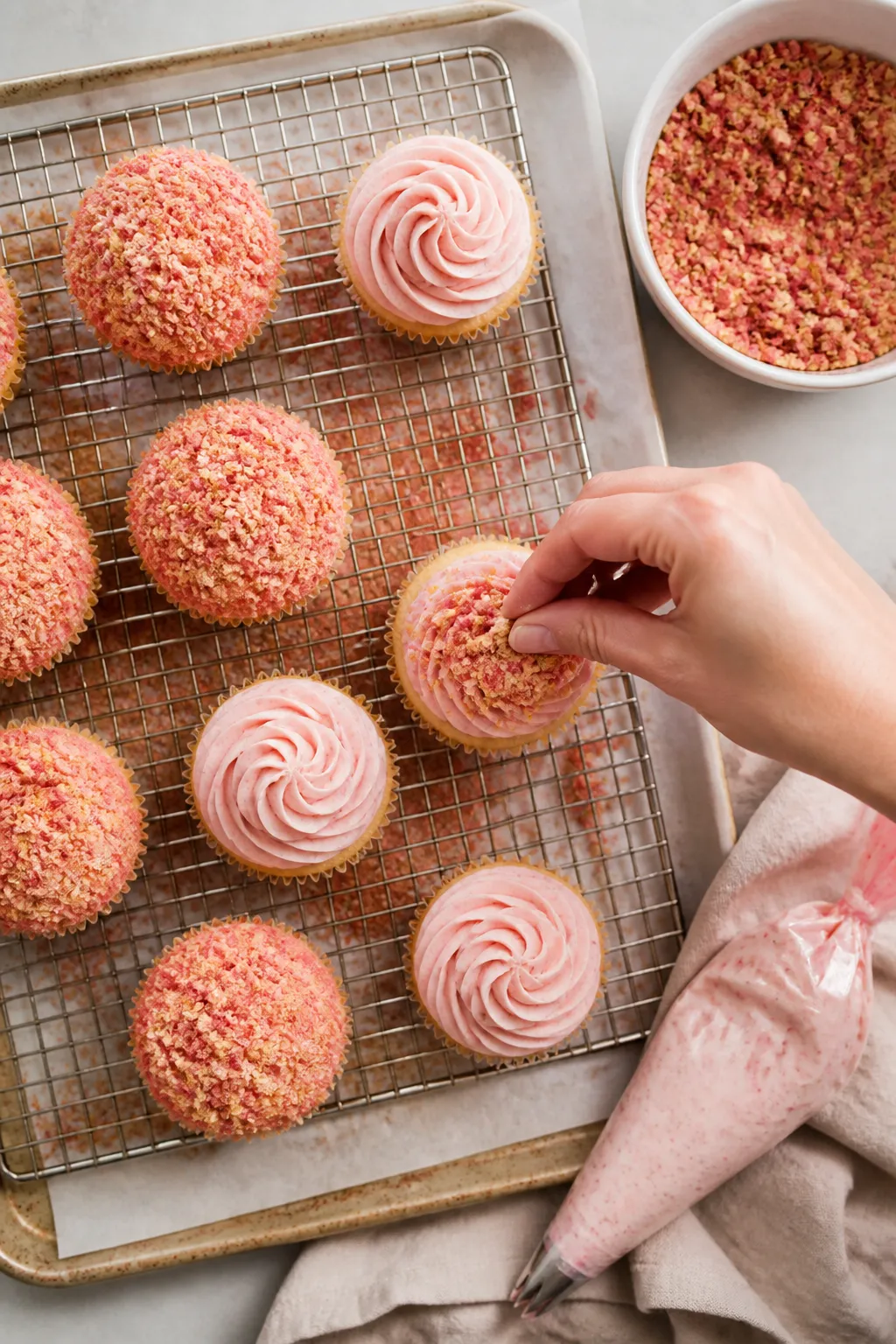
    Cooking process overhead: Overhead shot of cooled vanilla cupcakes on a wire rack during assembly, s
    1. Prep the oven and pan: Heat oven to 350°F (175°C). Line a 12-cup muffin tin with paper liners.
    2. Mix dry ingredients: In a large bowl, whisk flour, sugar, baking powder, baking soda, and salt until combined.
    3. Mix wet ingredients: In another bowl, whisk melted butter, eggs, buttermilk, and vanilla until smooth.
    4. Combine batter: Pour wet into dry and stir just until no dry streaks remain.

      If using fresh strawberries, fold them in gently. Do not overmix.

    5. Fill and bake: Divide batter among liners (about 2/3 full). Bake 16–20 minutes, until tops spring back and a toothpick comes out clean. Cool in the pan 5 minutes, then move to a rack to cool completely.
    6. Make the crunch topping: In a bowl, combine crushed cookies, freeze-dried strawberries, melted butter, and a pinch of salt.

      Toss until the mixture clumps slightly. Set aside.

    7. Make the frosting: Beat butter until creamy and pale, 2–3 minutes. Add powdered sugar, crushed freeze-dried strawberries, vanilla, and a pinch of salt.

      Beat on low, then increase speed. Add cream 1 tablespoon at a time to reach a smooth, pipeable consistency.

    8. Optional filling step: Use a small knife or cupcake corer to remove a 1-inch plug from the center of each cupcake. Spoon in 1–2 teaspoons strawberry jam.

      Replace the top piece.

    9. Frost: Pipe or spread a generous swirl of strawberry frosting on each cooled cupcake.
    10. Add the crunch: Gently press the crumble onto the sides and a bit on top of the frosting so it sticks. Work over a tray to catch excess.

    Keeping It Fresh

    Store cupcakes in an airtight container at room temperature for up to 2 days. If your kitchen is warm, refrigerate and bring to room temp before serving for the best texture. The crunch topping is best the day it’s applied, but it still holds well for a couple of days.

    For longer storage, freeze unfrosted cupcakes up to 2 months and thaw before decorating.

    Benefits of This Recipe

    • Nostalgic flavor: Tastes like a classic strawberry shortcake ice cream bar in cupcake form.
    • Customizable: Use jam filling, fresh berries, or swap vanilla cupcakes for strawberry cupcakes.
    • Beginner-friendly: Simple batter, reliable rise, and a forgiving frosting.
    • Great presentation: The pink-speckled crumble looks bakery-made with very little effort.

    What Not to Do

    • Don’t overmix the batter, or you’ll get tough cupcakes.
    • Don’t frost warm cupcakes, or the buttercream will melt and the crumble won’t stick.
    • Don’t skip the salt in the frosting and crumble; it balances the sweetness.
    • Don’t add wet strawberries without patting them dry; excess moisture can sink the crumb.

    Alternatives

    • Flavor twist: Swap freeze-dried strawberries for freeze-dried raspberries for a tangier bite.
    • Cookie swap: Use golden Oreos, shortbread, or graham crackers for the crunch base.
    • Lighter frosting: Try stabilized whipped cream instead of buttercream for a softer finish.
    • Gluten-free option: Use a 1:1 gluten-free flour blend and gluten-free cookies for the crumble.
    • Dairy-free option: Use plant-based butter, dairy-free milk, and sandwich cookies without dairy.

    FAQ

    Can I use fresh strawberries in the frosting?

    It’s better to use freeze-dried strawberries for the frosting. Fresh berries add water, which can make the buttercream loose and prone to separating. If you only have fresh, cook them down into a thick puree and cool fully before adding a small amount.

    Do I have to fill the cupcakes?

    No.

    The cupcakes are delicious without filling. A teaspoon or two of jam adds a nice surprise, but the frosting and crunch topping already bring plenty of strawberry flavor.

    How do I crush the cookies and strawberries?

    Use a food processor for a quick, even crumb. Or place them in a zip-top bag and crush with a rolling pin.

    Aim for a mix of fine crumbs and small chunks for the best texture.

    Can I make the components ahead?

    Yes. Bake cupcakes a day ahead and store covered at room temp. Make the crumble and keep it in an airtight container.

    Frosting can be made 2–3 days ahead and refrigerated; bring to room temp and rewhip before using.

    What if I don’t have buttermilk?

    Mix 3/4 cup milk with 2 teaspoons lemon juice or vinegar. Let it sit for 5 minutes until slightly thickened, then use as directed.

    Final Thoughts

    These strawberry crunch cupcakes are simple, playful, and full of real strawberry flavor. The tender crumb, creamy frosting, and buttery crunch make them a crowd-pleaser every time.

    Keep a bag of freeze-dried strawberries in your pantry and you’re halfway there. Bake a batch, share them around, and watch them disappear fast.

    Strawberry Crunch Cupcakes – Soft, Fruity, and Crunch-Topped

    Prep Time 20 minutes
    Cook Time 18 minutes
    Total Time 38 minutes
    Servings 12 servings

    Ingredients
      

    • For the cupcakes: 1 1/2 cups all-purpose flour
    • 1 cup granulated sugar
    • 1 1/2 tsp baking powder
    • 1/2 tsp baking soda
    • 1/2 tsp fine salt
    • 1/2 cup unsalted butter, melted and cooled
    • 2 large eggs, room temperature
    • 3/4 cup buttermilk, room temperature
    • 2 tsp vanilla extract
    • Optional: 1/2 cup diced fresh strawberries, patted dry
    • For the strawberry frosting: 1 cup unsalted butter, softened
    • 3–3 1/2 cups powdered sugar
    • 1/3 cup finely crushed freeze-dried strawberries
    • 1–2 tbsp heavy cream or milk
    • Pinch of salt
    • 1 tsp vanilla extract
    • For the strawberry crunch topping: 1 1/2 cups vanilla sandwich cookies (about 14 cookies), crushed
    • 1/2 cup freeze-dried strawberries, lightly crushed
    • 3 tbsp unsalted butter, melted
    • Pinch of salt
    • Optional filling: Strawberry jam or preserves (seedless if you prefer)

    Instructions
     

    • Prep the oven and pan: Heat oven to 350°F (175°C). Line a 12-cup muffin tin with paper liners.
    • Mix dry ingredients: In a large bowl, whisk flour, sugar, baking powder, baking soda, and salt until combined.
    • Mix wet ingredients: In another bowl, whisk melted butter, eggs, buttermilk, and vanilla until smooth.
    • Combine batter: Pour wet into dry and stir just until no dry streaks remain. If using fresh strawberries, fold them in gently. Do not overmix.
    • Fill and bake: Divide batter among liners (about 2/3 full). Bake 16–20 minutes, until tops spring back and a toothpick comes out clean. Cool in the pan 5 minutes, then move to a rack to cool completely.
    • Make the crunch topping: In a bowl, combine crushed cookies, freeze-dried strawberries, melted butter, and a pinch of salt. Toss until the mixture clumps slightly. Set aside.
    • Make the frosting: Beat butter until creamy and pale, 2–3 minutes. Add powdered sugar, crushed freeze-dried strawberries, vanilla, and a pinch of salt. Beat on low, then increase speed. Add cream 1 tablespoon at a time to reach a smooth, pipeable consistency.
    • Optional filling step: Use a small knife or cupcake corer to remove a 1-inch plug from the center of each cupcake. Spoon in 1–2 teaspoons strawberry jam. Replace the top piece.
    • Frost: Pipe or spread a generous swirl of strawberry frosting on each cooled cupcake.
    • Add the crunch: Gently press the crumble onto the sides and a bit on top of the frosting so it sticks. Work over a tray to catch excess.